Choosing the right point-of-view (POV) is one of the most important decisions you’ll make when writing fiction. It shapes how readers connect with your characters, how much they know, and how they experience your story’s world.
In this beginner’s guide, we’ll break down the main types of POV in fiction, explore their strengths and challenges, and help you decide which is right for your project.
What Is Point-of-View in Fiction?
Point-of-view refers to the lens through which the reader experiences the story.
It determines who is telling the story and how much they know, and from this how much the reader is allowed to know. The choice of POV will also affect the voice, tone, intimacy, and structure of the final story.
Why Does POV Matter?
Your story could change dramatically depending on the narrator. A first-person account may feel raw and personal. A third-person omniscient voice could reveal the inner lives of an entire cast. Knowing your POV options gives you control over pacing, suspense, and emotional impact.
The 4 Main Types of POV in Fiction
There are four main point-of-view writing styles, each with their own strengths and challenges. The story you want to tell, and how you want to tell it, will inform your POV choice as much as this choice will influence the final structure of your book.
1. First Person (I, Me, My)
Definition:
In first person point-of-view (or first-person narrative/first-person perspective), the story is told through the eyes of one character in the story, this could be a protagonist, or other witness retelling events. Stories told from this POV are experienced through one interpretation of the events as they unfold, coloured by that character’s thoughts, emotions, biases and understanding of the world they inhabit.

Strengths of First Person
1. Deep Emotional Immersion
First person offers unparalleled access to a character’s internal world. By placing a reader inside the mind of the narrator you can give them the experience of every doubt, hope, fear, and moment of triumph from an intimate vantage point. This can build a powerful emotional bond between character and reader—one that often leads to lasting impact.
2. Authentic Voice and Personality
This POV allows the character’s personality to shape the narrative style itself. Their sense of humour, quirks, education level, and emotional state can colour the prose in subtle (or less than subtle) ways. This can make the writing feel vibrant and uniquely tailored to that character’s worldview.
3. Heightened Tension and Mystery
Because the reader only knows what the narrator knows, this POV naturally creates tension, suspense, and room for surprise. When used intentionally, it can make reveals feel more personal or shocking.
4. Ideal for Confessional or Reflective Tone
Writers can utilise this voice to give a diary-like, confessional voice, perfect for stories that involve personal growth, trauma recovery, coming-of-age arcs, or moral conflict.
Challenges of First Person
1. Limited Perspective
The reader is confined to the narrator’s knowledge and observations. You can’t easily show what’s happening elsewhere or inside other characters’ minds without relying on speculation, dialogue, or indirect clues. This restriction can limit complexity if not carefully managed.
2. Potential for Monotony
Over-reliance on the pronoun “I” or on the narrator’s inner monologue can become repetitive. If the character’s voice isn’t compelling or distinctive enough, the story may feel flat or self-indulgent.
3. Risk of Unreliable Narration (Intentional or Not)
Unless carefully handled, readers may question whether they’re getting a full picture. This can be a strength when writing an intentionally unreliable narrator—but it can undermine clarity or trust if done unintentionally.
4. Worldbuilding Limitations
In speculative or intricately plotted stories, first person can make it harder to introduce complex backstory or world details without info-dumping or unnatural exposition. However this limitation can come with advantages. Dropping your reader into the heart of an already established world, and assuming that through immersion they will understand, can bring your reader right into the heart of the story before they know it.
Dual Perspective
You can play with first person POV by using a dual perspective to bounce between two characters. This allows your reader to better understand the world they find themselves in. It can also allow you to play with the reliability of your narrators and show a greater portion of the world you have built.
When to Use First Person POV
First person is best suited to stories that:
- Focus on internal transformation or emotional journeys
- Explore personal identity, memory, or psychological conflict
- Require a strong, compelling narrative voice
- Benefit from intimacy, vulnerability, or confessional tone
- Gain impact from subjective truth or unreliable narration
This POV shines when the author wants the reader to feel like they are living inside the character’s head—experiencing each moment in real time, rather than watching from a distance.
If you’re aiming for a story that feels raw, immediate, or emotionally authentic, first person is likely a strong fit. It helps readers connect not just to events, but to the meaning those events hold for the narrator.
2. Second Person (You, Your)
Definition:
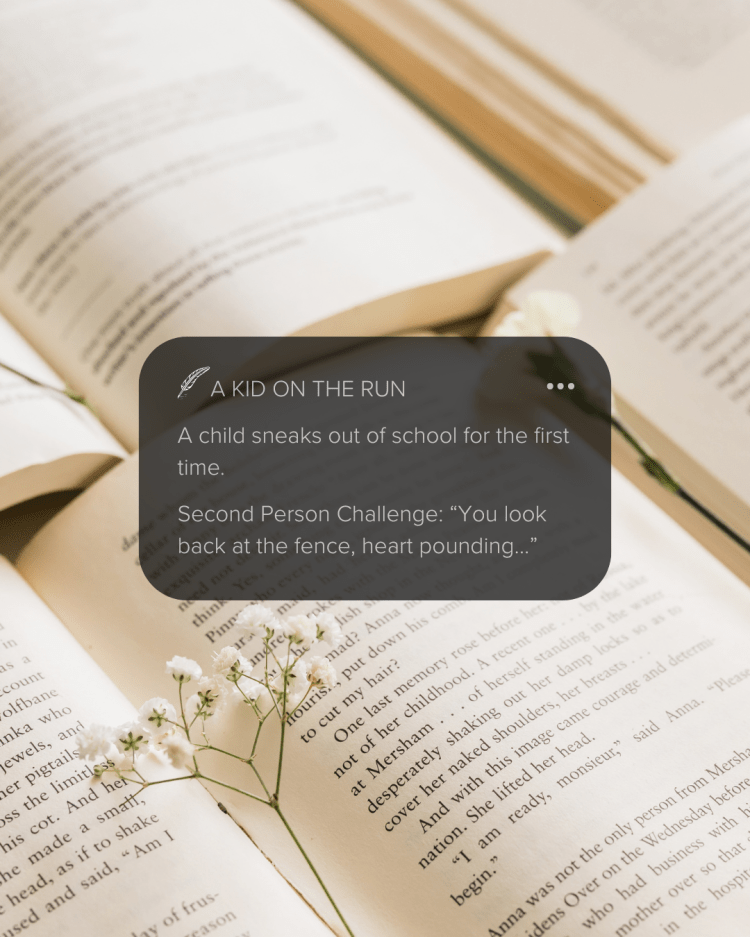
In second person point-of-view, the narrator addresses the reader directly as “you,” casting them as the main character in the story. By becoming the protagonist, the reader experiences events, thoughts, and emotions directly as if they are unfolding in real time.
Strengths of Second Person
1. Heightened Immersion
Second person POV can create an immediate and visceral sense of involvement. Because the reader is being directly addressed, there’s little distance between them and the action causing the narrative to feel intense, urgent, or incredibly personal.
2. Unique Psychological Impact
This perspective can be particularly powerful when writing about internal conflict, guilt, obsession, or trauma. It blurs the line between narrator and reader, pulling the audience deeper into emotionally charged or morally ambiguous territory.
3. Compels Engagement
The use of “you” disrupts passive reading. Readers are no longer just observing a character’s decisions—they are implicitly making them. This makes second person a great tool for introspection or tension, especially in stories that hinge on choice or consequence.
4. Ideal for Experimental or Stylized Writing
Second person opens the door for innovation. It’s well-suited to unconventional narratives, nonlinear timelines, metafiction, or speculative scenarios where a disorienting or dreamlike quality enhances the tone. It also works well in short-form writing like flash fiction, vignettes, or monologues.
Challenges of Second Person
1. Difficult to Sustain in Long Works
Maintaining second person POV over a full novel can exhaust the reader or feel forced. It works best when used intentionally and sparingly, often in shorter works or alternating POV structures.
2. Risk of Alienating Readers
Some readers may resist being told what they think or feel—especially if the “you” doesn’t align with their personal experience. This POV requires precision and nuance to avoid disconnection or disbelief.
3. Limited Range for Character Development
Because the protagonist is “you,” the writer must either keep descriptions vague or risk creating a disconnect if the reader doesn’t identify with the choices, background, or emotions being described. There’s less room for layered backstory or detailed internal evolution unless written carefully.
4. Can Feel Gimmicky If Misused
Second person is powerful, but only when the style serves the story. If it’s not integral to the emotional or structural core, it may come off as an attention-grabbing trick rather than a meaningful narrative choice.
When to Use Second Person POV
Second person POV works well when the story:
- Needs to feel immediate, immersive, or psychologically intense
- Explores themes of identity, control, regret, or powerlessness
- Benefits from a surreal, experimental, or disorienting effect
- Leans into ambiguity, introspection, or direct confrontation
- Invites the reader to question their role, morality, or reality
This POV is especially effective in stories where the reader’s complicity, hesitation, or imagination is part of the narrative experience. It often evokes a stream-of-consciousness or dreamlike tone, especially in literary fiction or emotionally intimate shorts.
Second person can be a bold and memorable choice—if you’re crafting a story that seeks to break the fourth wall, disturb the reader’s comfort, or make them feel seen, implicated, or unsettled, this POV delivers.
3. Third Person Limited (He, She, They)
Definition:
In third person limited point-of-view, the narrator tells the story from outside the character, but remains closely aligned with one character’s thoughts, emotions, and experiences at a time. Readers follow this character’s perspective as the lens through which the world is interpreted, without straying from this character’s immediate surroundings. This, like first person POV can benefit from dual perspective to allow for a wider view of the world to be shown to the reader.

3. Third Person Limited (He, She, They)
Definition:
In third person limited point-of-view, the narrator tells the story from outside the character, but remains closely aligned with one character’s thoughts, emotions, and experiences at a time. Readers follow this character’s perspective as the lens through which the world is interpreted, without straying from this character’s immediate surroundings. This, like first person POV can benefit from dual perspective to allow for a wider view of the world to be shown to the reader.
Strengths of Third Person Limited
1. Balanced Intimacy and Narrative Distance
This POV offers balance between closeness and flexibility. While readers gain deep insight into the character’s internal life, the “he/she/they” narrative voice still creates enough distance for objectivity, reflection, or broader storytelling.
2. Clarity and Focus
Limiting the viewpoint to a single character per scene or chapter keeps the story grounded and emotionally cohesive. It allows readers to track the protagonist’s motivations and development clearly, while avoiding the chaos of multiple conflicting viewpoints.
3. Ideal for Character-Driven and Plot-Driven Stories Alike
Third person limited is adaptable. It’s equally suited for internal journeys (exploring grief, identity, resilience) or external action (crime, fantasy, romance). Writers can use the intimacy of first person while retaining third person’s smoother handling of exposition and world-building.
4. Elegant Handling of Backstory and Description
Because the narration is slightly distanced from the character’s voice, authors can blend emotional insight with vivid, stylised prose. This POV allows for changing between the internal monologue and external narration to feel more natural without over-explaining the world around your protagonist.
Challenges of Third Person Limited
1. Restricted Viewpoint
You’re confined to what the POV character knows, notices, or believes. Readers only see other characters through that lens—so anything outside their awareness must be implied or delayed. If your plot relies on simultaneous events or hidden motives, this can be limiting.
2. Head Hopping Risk
Switching between characters’ perspectives without clear breaks or scene transitions can cause “head hopping,” a jarring shift that confuses readers. Maintaining POV discipline is crucial to avoid breaking the narrative flow, so switching the character being focussed on using chapters can be a great way to stop readers’ heads spinning.
3. Inconsistent Voice
Because the narrator’s voice is not fully the character’s voice (unlike first person), it can be challenging to keep the tone consistent. Striking a balance between narration and character-filtered perception is important for the flow of information to the reader, especially in emotionally charged scenes.
4. Can Feel Passive If Voice Isn’t Strong
If the POV character’s internal world isn’t rich or distinct enough, the third person limited perspective may feel generic or detached. Developing a strong internal voice—through word choice, sensory details, and emotional nuance—is essential to make this POV shine.
When to Use Third Person Limited POV
Third person limited is a powerful choice when your story:
- Follows one main character through a journey of transformation, challenge, or discovery
- Benefits from narrative control and emotional intimacy without full immersion
- Requires precise pacing or the slow reveal of character knowledge
- Incorporates layered themes, relationships, or inner conflict
- Involves a story world that the character is still learning or interpreting
This POV is ideal for writers who want to deeply explore a character’s psychology while maintaining narrative flexibility and elegance. It supports subtle shifts in tone, controlled emotional distance, and graceful handling of exposition—without sacrificing connection.
If you’re telling a story that relies on close emotional insight, internal struggle, or a character’s perception shaping the reader’s understanding, third person limited offers the perfect balance of access and control.
4. Third Person Omniscient (He, She, They — All-Knowing Narrator)
Definition:
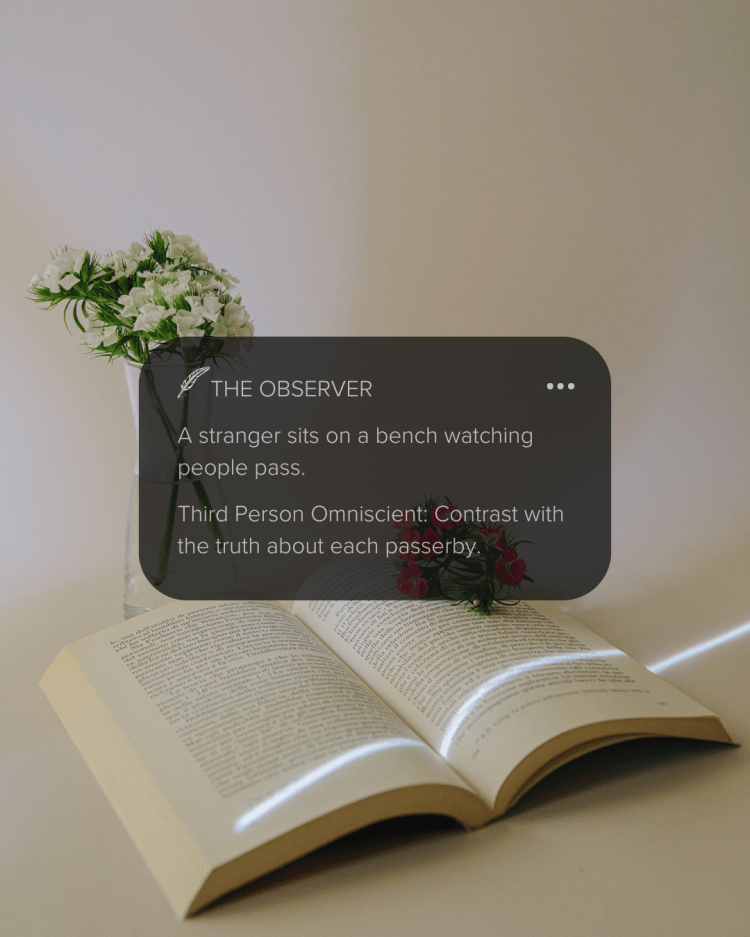
In third person omniscient point-of-view, the narrator exists outside of the story and knows everything about every character, setting, and event—including thoughts, emotions, past histories, and even future consequences. This narrator is all-seeing and often all-knowing, offering a god-like perspective across time and space.
Strengths of Third Person Omniscient
1. Expansive Perspective
This POV allows you to explore the entire story world, not just one character’s limited experience. You can reveal (or conceal) multiple characters’ thoughts and motives, describe events happening simultaneously in different locations, and provide context far beyond what a single character could know.
2. Rich Thematic Layering
With the ability to zoom in and out, the omniscient narrator can weave connections between characters, events, and overarching themes. You can deliver commentary, foreshadowing, or irony in ways that deepen the reader’s understanding of the story’s message or moral arc.
3. Masterful Control of Tone and Voice
Third person omniscient gives the writer freedom to establish a narrative voice distinct from any one character. This can be witty, lyrical, serious, or philosophical—whatever best suits the tone of the story. It’s especially effective when used to add layers of insight or reflection that the characters themselves may not have.
4. Seamless Shifting Between Characters
This POV allows smooth movement between different characters’ perspectives without requiring scene or chapter breaks. You can explore how each person experiences the same event, which adds complexity and dimension to relationships, tension, and plot developments.
5. Ideal for Epic, Multi-Layered Stories
If you’re writing a novel that involves multiple characters, interwoven plots, or a sweeping timeline, third person omniscient allows you to tackle a broader canvas with fluidity and depth.
Challenges of Third Person Omniscient
1. Risk of Reader Disconnection
Because the narrator isn’t emotionally embedded in the story the way a character-narrator would be, there’s a risk of creating emotional distance. If not handled with care, readers may feel like observers rather than participants. However, if you make your god-like narrator enough personality, your reader can develop a connection with them, even potentially sharing a joke at the expense of the characters.
2. Overwhelming Scope
Having access to every thought, every setting, and every timeline can tempt writers to include too much. This can dilute focus, slow pacing, or create confusion if transitions between characters or timelines aren’t clear and intentional.
3. Requires Strong Authorial Control
To avoid confusion or fatigue, the writer must maintain clear transitions between character insights and establish consistent narrative boundaries. Omniscient narration demands a confident, controlled voice that can carry the weight of the story without overwhelming the reader.
4. Harder to Build Suspense or Mystery
Because the narrator can reveal any character’s motives at any time, there’s a challenge in maintaining mystery or surprise. The key is knowing when to withhold information and when to let readers in—using narrative distance strategically, not indiscriminately.
When to Use Third Person Omniscient POV
Third person omniscient is a great choice when your story:
- Involves multiple characters with intersecting lives or opposing goals
- Spans long time periods, multiple settings, or broad historical/social movements
- Requires thematic commentary, irony, or contrast between perspectives
- Explores the relationship between personal experience and larger forces (society, fate, history)
- Would benefit from a narrator with their own voice or agenda—guiding, questioning, or even challenging the reader
This POV is often used to achieve a grand, sweeping narrative feel—it helps readers step back and view the big picture while still offering access to individual thoughts and emotions when needed. It’s ideal for stories that tackle complex systems, human nature, or philosophical dilemmas, allowing for a chorus of perspectives rather than a single spotlight.
If you want your story to feel vast, layered, and intellectually or thematically ambitious, third person omniscient offers the tools to build that depth.
Objective vs. Subjective Narrators
Even within a specific point-of-view—first person, second person, or third person—narrators can be subjective or objective. Understanding the difference adds another layer of control to how you shape the reader’s experience.
Subjective Narration: Emotionally Charged, Character-Aligned
Definition:
A subjective narrator shares not just what happens, but how it feels. This narration is filtered through the character’s inner world—complete with emotions, opinions, assumptions, and biases.
Example (Third Person Subjective):
She slammed the door, her heart pounding with the fury of betrayal. He hadn’t just lied—he’d broken something inside her.
Key Traits:
- Includes emotions, thoughts, and interpretations
- Reflects the narrator’s or POV character’s perspective
- May be unreliable or biased (intentionally or unintentionally)
- Creates emotional resonance and psychological depth
Best Used When:
- You want readers to experience the character’s emotional state or have their opinions coloured by the character’ interpretations of events
- You’re exploring internal conflict, trauma, or growth
- The story benefits from a strong narrative voice or worldview
- You want readers to feel immersed in a personal journey
Subjective narration invites the reader to feel more than simply observe—to become emotionally invested in a character’s truth, even when that truth may be flawed or limited.
Objective Narration: Observational, Unfiltered
Definition:
An objective narrator presents only what can be physically seen, heard, or described—without revealing internal thoughts or emotions. Think of it like a camera documenting events from the outside.
Example (Third Person Objective):
She walked into the room and closed the door behind her. Her hands trembled as she reached for the phone, but she didn’t make a call.
Key Traits:
- Omits internal thoughts, feelings, and judgments
- Describes only observable action, dialogue, and setting
- Allows the reader to draw their own conclusions
- Creates space for subtext, ambiguity, or detachment
Best Used When:
- You want the reader to interpret events independently
- You’re creating dramatic irony or emotional restraint
- Your character is emotionally closed off or withholding
- The story benefits from mystery, ambiguity, or minimalism
Objective narration can be quietly powerful, especially when the emotional weight is revealed through action, dialogue, or what’s left unsaid. It encourages readers to read between the lines and come to their own conclusions.
Choosing Between the Two: What Experience Do You Want to Create?
- Choose subjective narration if your goal is to immerse the reader in a character’s emotions, beliefs, or inner conflict. This style invites empathy, intensity, and personal insight.
- Choose objective narration if your story benefits from emotional distance, ambiguity, or impartial storytelling. It gives your audience space to analyze, judge, or remain uncertain.
Sometimes, blending the two styles can create nuanced effects. For example, you might begin a story with a cool, objective tone and gradually slip into subjectivity as a character becomes more emotionally involved—or vice versa.
Quick Tip for Writers:
Even in third person limited, you can write more objectively or subjectively, depending on how deeply you want to enter the character’s mind. It’s not just about the POV you choose—it’s about how deeply you dive into it.
How to Choose the Right POV for Your Story
Ask yourself:
- Whose story is this really?
- How close do I want the reader to feel to the main character?
- Do I need to reveal information the protagonist wouldn’t know?
- Would multiple perspectives add or distract?
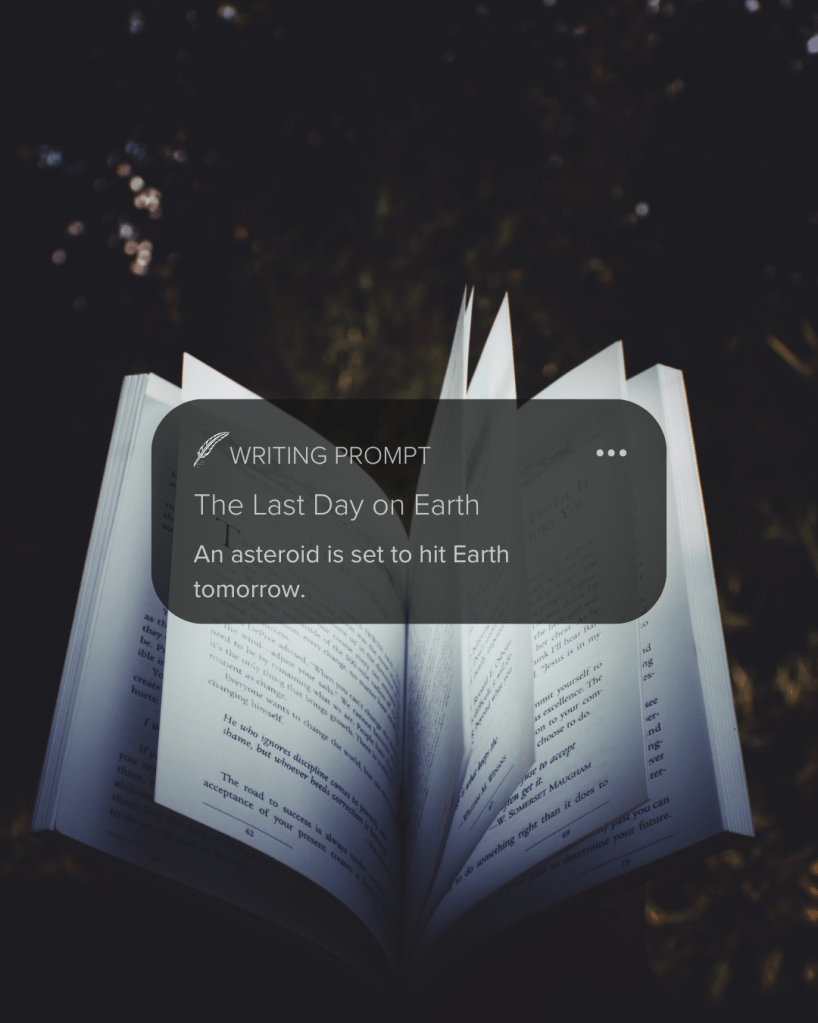
Tip: Test-drive a scene in two or three POVs. See which one feels most alive and true to your story’s voice.
Common POV Mistakes (And How to Avoid Them)
Choosing a point-of-view is only the beginning—executing it consistently is what makes or breaks your storytelling. Three big POV pitfalls include head hopping, overusing “I” (A first person problem)and unclear narrator identities. These can really pull your reader out of the story, so how could you avoid them?
1. Head Hopping (Unintentional Shifts in Perspective)
What it is:
Switching between multiple characters’ internal thoughts or perspectives within the same scene or paragraph—without a clear transition.
Why it’s a problem:
It can confuse readers, break immersion, and dilute emotional tension. Instead of feeling grounded in one character’s experience, the reader may feel disoriented or unsure who’s guiding the story.
Example (Head Hopping):
Sarah clenched her fists, furious at his silence. Jack watched her warily, wondering if she knew the truth.
(→ Two internal perspectives in one moment: Sarah’s and Jack’s.)
How to avoid it:
- Stick to one character’s viewpoint per scene or chapter unless you’re writing in third person omniscient—and even then, shifting carefully and with intention is needed.
- Use scene breaks or line spacing to signal a POV shift clearly. If changing at chapter breaks, add in the name of the character you are now following, or make the opening sentence a clear character change.
- Ask yourself: Whose emotional journey is being followed here? Keep the focus on them and don’t get sidetracked.
2. Overusing “I” in First Person
What it is:
In first person narratives, it’s easy to fall into the rhythm of starting every sentence with “I”—I did this, I felt that, I saw…
Why it’s a problem:
Too much repetition can make the prose feel monotonous or self-centered. It also risks flattening the character’s voice, making them sound more like a narrator than a living person.
Example (Overuse):
I walked into the room. I looked around. I didn’t know what to say. I felt nervous.
How to avoid it:
- Vary sentence structure: Combine action and description.
- Use body language, sensory detail, and internal thought to break the pattern.
- Let the world show what the character feels instead of stating it.
A better example would be:
The room was too quiet. My fingers curled around the doorknob, slick with sweat. Still no sign of him.
3. Unclear or Inconsistent Narrator Identity
What it is:
When the reader doesn’t know who’s telling the story—or the POV shifts unexpectedly without warning or logic.
Why it’s a problem:
It undermines trust in the narrative, readers rely on clarity and consistency to emotionally invest in your story. If they’re unsure who’s guiding them, they’ll disconnect.
Common symptoms:
- Sudden switches from one character’s thoughts to another’s without warning
- A vague or invisible narrator with no defined tone or perspective
- Inconsistent use of pronouns or tense
How to avoid it:
- Establish the POV early—ideally in the first paragraph or page. Let readers know whose eyes they’re seeing through.
- Keep the tone, access to thoughts, and perspective consistent throughout a scene.
- If your narrator has a strong voice or bias (especially in first person), make it distinct and reliable (or intentionally unreliable, but still consistent).
- Read through the full book (or ask a trusted friend to do so) looking specifically for any shifts in POV. Editing and proofreading are your best friends here do not skip them!
Do a POV Audit
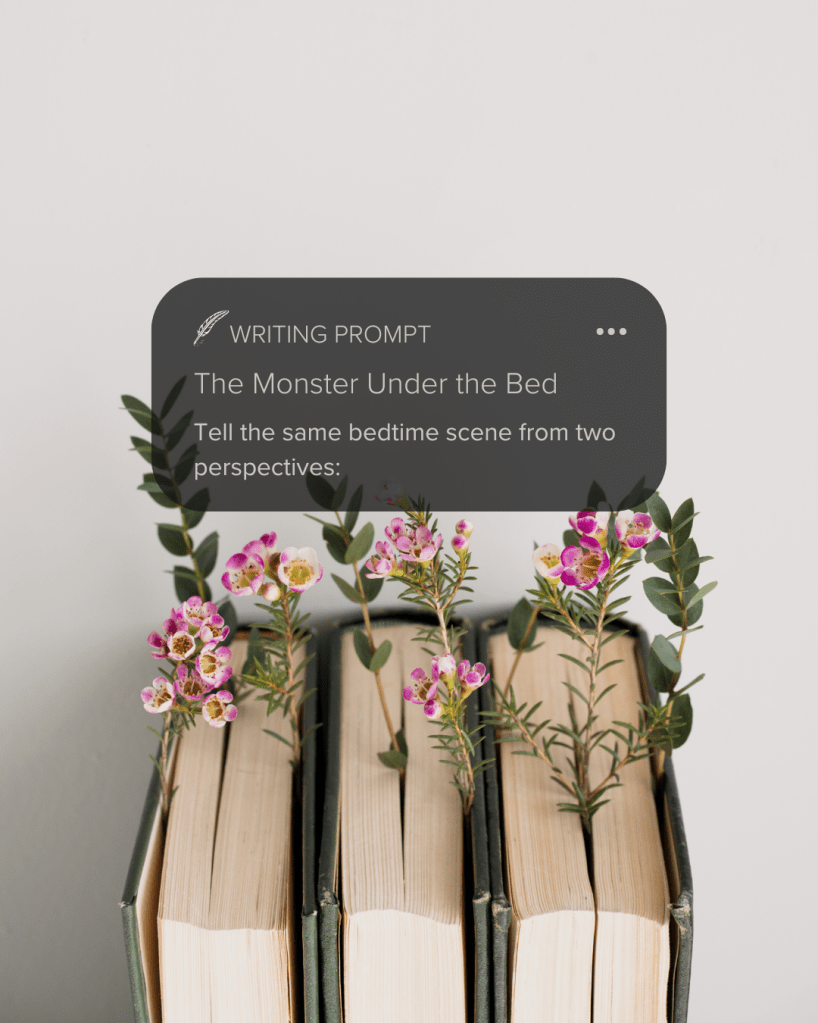
After drafting, go through a few key scenes and ask yourself:
- Whose thoughts are on the page?
- Am I sticking to one perspective per scene?
- Does the narrator’s voice stay consistent throughout?
- Have I earned every shift in point-of-view?
Clear, confident POV choices build reader trust, amplify emotional stakes, and make your storytelling unforgettable.
Suggested Reading by POV Style
- First Person: The Catcher in the Rye by J.D. Salinger
- Second Person: Bright Lights, Big City by Jay McInerney
- Third Person Limited: The Hunger Games by Suzanne Collins
- Third Person Omniscient: Middlemarch by George Eliot
POV is more than just a technical choice—it’s how your reader steps into your story. Learning to master point-of-view gives you the power to control pace, emotion, and perspective. Whether you’re outlining your novel or deep into revisions, it’s always worth asking: Who is telling this story—and why?
Explore a full list of Writing Prompts for POV Exploration to test out different perspectives today!
More Writing Tools for Indie Authors
Sign up for my Substack for weekly prompts, publishing tips, and indie author resources delivered straight to your inbox.
Need support with your novel? Explore my Virtual Assistance Services here.
#PointOfView #POVInFiction #WritingTips #IndieAuthorSupport #FictionWritingHelp
 Author Services by Sarah